Motorhome Condensation: Causes, Prevention and the Best Ways to Stop Damp
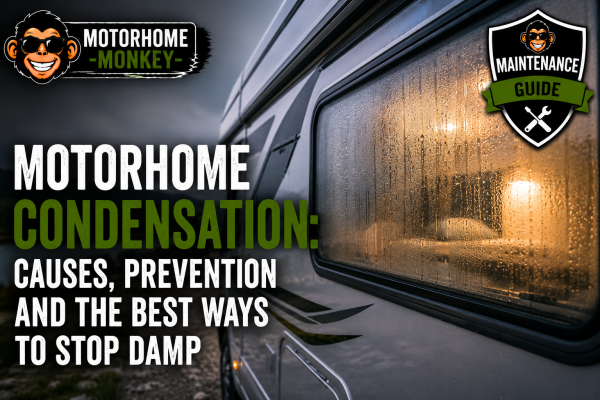
Motorhome Condensation is one of the most common problems owners experience, particularly during colder months or extended trips. While a little moisture on the windows may seem harmless, persistent condensation can lead to mould, unpleasant odours and even costly damp damage if left untreated. Fortunately, understanding why condensation occurs and taking a few simple preventative measures can keep your motorhome dry, comfortable and ready for your next adventure.
What Is Motorhome Condensation?
Condensation occurs when warm, moisture-laden air comes into contact with a cold surface, such as a window, rooflight or external wall.
As the warm air cools, it can no longer hold as much moisture, causing water droplets to form.
This is perfectly normal and happens in homes, cars and caravans as well as motorhomes.
The challenge is that motorhomes are relatively small, well-insulated spaces where several people live, cook and sleep, all of which produce moisture.
Why Does Condensation Form Inside a Motorhome?
Many owners are surprised by just how much moisture everyday activities create.
Common sources include:
- Breathing while sleeping.
- Cooking meals.
- Boiling kettles.
- Taking showers.
- Drying wet clothing or towels.
- Bringing damp shoes indoors.
- Wet dogs after a walk.
- Poor ventilation.
On a cold morning, two people sleeping overnight can produce a surprising amount of water vapour simply through breathing.
Condensation or Damp – What’s the Difference?
This is an important distinction.
Condensation is caused by moisture in the air settling on cold surfaces.
Damp, on the other hand, usually results from water entering the motorhome through failed seals, damaged rooflights, leaking windows or plumbing faults.
Condensation can usually be managed through ventilation and good housekeeping.
Damp requires the source of the water ingress to be identified and repaired.
If you notice staining, soft walls, persistent musty smells or elevated moisture readings, it’s worth investigating further rather than assuming condensation is the only cause.
Why You Shouldn’t Ignore Condensation
Left untreated, persistent condensation can lead to:
- Mould growth.
- Mildew.
- Musty odours.
- Damage to soft furnishings.
- Corrosion of metal fittings.
- Water staining.
- A less comfortable living environment.
While condensation itself doesn’t necessarily damage a motorhome overnight, allowing moisture to remain trapped over long periods can create ideal conditions for more serious problems.
How to Prevent Motorhome Condensation
Fortunately, reducing condensation doesn’t require expensive equipment.
A combination of good ventilation and sensible habits usually makes the biggest difference.
Ventilate Properly
It may seem counterintuitive on a cold day, but fresh air is your best defence.
Whenever practical:
- Open roof vents.
- Use extractor fans when cooking.
- Leave a rooflight slightly open if weather permits.
- Avoid sealing the vehicle completely.
Modern motorhomes are designed with ventilation systems that should not be blocked.
Control Moisture at the Source
Small changes quickly add up.
Try to:
- Cook with saucepan lids on.
- Use extractor fans while cooking.
- Dry wet coats outside whenever possible.
- Remove wet footwear from the living area.
- Wipe shower walls after use.
Reducing moisture production is often easier than trying to remove it afterwards.
Improve Air Circulation
Good airflow helps prevent pockets of damp air forming.
Avoid pushing cushions tightly against exterior walls during storage and leave cupboard doors slightly open when the motorhome is not in use.
If storing your motorhome for extended periods, ensure there is adequate ventilation throughout the interior.
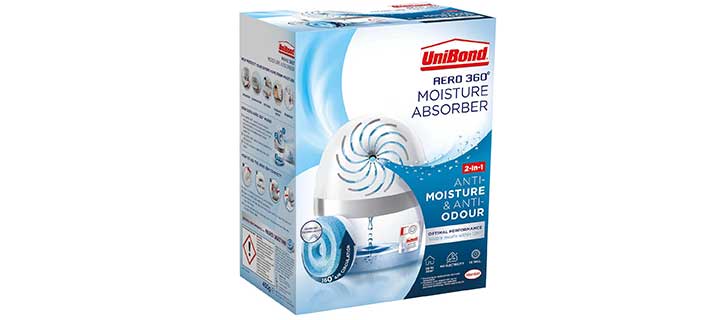
Use Moisture Absorbers
Moisture absorbers can help reduce humidity during storage or periods of inactivity.
They’re particularly useful if your motorhome is parked for several weeks during winter.
However, they should be viewed as a supplement to good ventilation rather than a replacement for it.
Should You Use a Dehumidifier?
If your motorhome is connected to mains electricity while stored, a dehumidifier may help reduce humidity levels.
Choose a model appropriate for the size of the space and always follow the manufacturer’s safety instructions.
For most owners, improving ventilation and reducing moisture sources will have a greater impact than relying solely on electrical appliances.
Winter Condensation
Condensation is usually at its worst during winter.
Cold external temperatures combined with warm interior air create ideal conditions for water droplets to form on windows and other cold surfaces.
During winter:
- Ventilate regularly.
- Heat the interior evenly where possible.
- Remove standing water from windows each morning.
- Avoid drying clothes inside the motorhome.
A few minutes of daily attention can prevent moisture from building up over longer periods.
Common Mistakes
Avoid these common errors:
- Blocking roof vents.
- Drying washing indoors.
- Leaving wet clothing on seats.
- Closing every window tightly for long periods.
- Ignoring early signs of mould.
- Assuming all moisture is caused by a leak.
Understanding the difference between condensation and water ingress can save considerable time and expense.
🐵 Motorhome Monkey Recommendation
The best way to deal with Motorhome Condensation is to prevent it before it becomes a problem.
Good ventilation, sensible moisture control and regular inspections are far more effective than trying to remove mould once it has appeared.
If condensation suddenly becomes much worse than normal, or you notice staining, soft walls or a persistent musty smell, arrange a professional damp inspection to rule out water ingress.
Motorhome Monkey Verdict
Condensation is a normal part of motorhome ownership, but it shouldn’t be accepted as unavoidable.
Most cases can be significantly reduced by improving ventilation, controlling sources of moisture and carrying out simple daily routines, particularly during colder weather.
By understanding why condensation forms and dealing with it early, you’ll help protect your motorhome, improve comfort and reduce the likelihood of more serious damp problems developing in the future.
Related Reading
You may also enjoy:
- How to Store Your Motorhome Safely: At Home or in Secure Storage
- Motorhome Payload Explained: How Much Payload Do You Really Need?
- Motorhome Air Suspension Guide: Is It Worth the Investment?
- How to Winterise Your Motorhome
- Motorhome Security Tips Every Owner Should Know
🐵 Motorhome Monkey Tip
Each morning during colder weather, take a minute to wipe condensation from your windows with a microfibre cloth and allow fresh air to circulate through the motorhome. It’s a simple habit that can dramatically reduce moisture build-up and help keep mould at bay.