How to Store Your Motorhome Safely: At Home or in Secure Storage?

Proper Motorhome Storage is about much more than simply finding somewhere to park. Whether you keep your motorhome on your driveway or in a secure storage facility, the right preparation can help prevent theft, reduce deterioration and ensure your vehicle is ready for your next adventure. In this guide, we explain the best storage options and the simple steps every owner should take to protect their investment.
Why Proper Motorhome Storage Matters
A motorhome is designed to be used, but there will inevitably be periods when it sits unused for several weeks or even months. Without proper preparation, this can lead to problems that are both inconvenient and expensive.
Common issues include:
- Flat starter or leisure batteries.
- Damp and condensation.
- Mould and unpleasant odours.
- Tyres developing flat spots.
- Corrosion on brakes and suspension components.
- UV damage to seals and exterior trim.
- Increased risk of theft or vandalism.
Spending a little time preparing your motorhome before storage can prevent many of these problems.
Storing Your Motorhome at Home
Keeping your motorhome at home is often the most convenient option.
It allows you to:
- Check the vehicle regularly.
- Carry out maintenance whenever required.
- Load supplies before a trip.
- Wash and prepare the motorhome at your convenience.
- Avoid annual storage fees.
However, home storage isn’t suitable for everyone. Larger motorhomes may not fit comfortably on a driveway, while planning restrictions, estate covenants or local regulations may limit where recreational vehicles can be parked.
Before storing your motorhome at home, it’s worth checking any restrictions that may apply in your area.
Using a Secure Storage Site
Purpose-built motorhome storage facilities provide an alternative for owners who lack space at home or want additional security.
Many approved storage sites offer:
- Controlled gated access.
- CCTV surveillance.
- Perimeter fencing.
- Security lighting.
- Individual access systems.
- Regular inspections.
Some also provide hardstanding pitches, battery charging points or wash facilities.
Although there is an annual cost, many owners feel the added security and peace of mind are well worth the investment.
Preparing Your Motorhome for Storage
Before leaving your motorhome unused for an extended period, take a few simple steps to prepare it.
A sensible checklist includes:
- Empty the refrigerator and leave the door slightly open.
- Remove all perishable food.
- Empty waste water tanks.
- Drain the fresh water system if freezing temperatures are expected or the vehicle will be unused for several weeks.
- Turn off unnecessary electrical appliances.
- Lock all doors, windows and external lockers.
- Remove valuables.
- Leave internal cupboard doors slightly open to encourage airflow.
These simple measures help prevent unpleasant surprises when it’s time to travel again.
Looking After the Batteries
Most motorhomes have both a starter battery and one or more leisure batteries.
Even when unused, batteries gradually lose charge, particularly if alarms, trackers or other electrical systems remain active.
Depending on your storage arrangements, consider:
- Recharging the batteries periodically.
- Using a suitable smart charger if mains electricity is available.
- Checking battery condition during regular inspections.
Always follow the battery and vehicle manufacturer’s recommendations.
Protecting Your Tyres
Tyres continue to age whether the motorhome is moving or standing still.
If your vehicle will remain parked for several weeks:
- Check tyre pressures before storage.
- Inspect tyres regularly for cuts, cracking or damage.
- Avoid parking on soft ground where possible.
- Move the motorhome occasionally if practical.
Remember that tyre age is just as important as tread depth when assessing roadworthiness.
Ventilation Helps Prevent Damp
Condensation is one of the biggest causes of interior deterioration.
To reduce moisture build-up:
- Ensure the interior is clean and dry before storage.
- Remove damp clothing or towels.
- Leave cupboard doors slightly open.
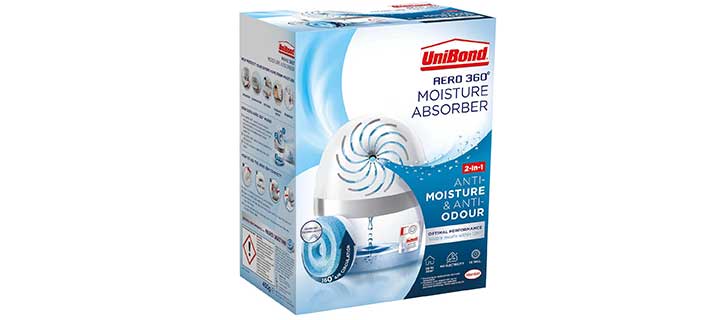
- Consider using moisture absorbers during prolonged storage.
Good airflow significantly reduces the likelihood of mould and mildew developing.
Should You Use a Motorhome Cover?
Motorhome covers can provide protection from UV rays, bird droppings and tree sap.
However, not all covers are equal.
A breathable cover specifically designed for your motorhome allows moisture to escape while protecting the bodywork.
Poorly fitting or non-breathable covers can trap moisture or rub against paintwork during windy conditions.
If you decide to use a cover, choose a quality product and inspect both the cover and motorhome regularly.
Security During Storage
Whether your motorhome is parked at home or in a storage compound, security should remain a priority.
Consider using:
- Steering wheel locks.
- Wheel clamps.
- Alarm systems.
- Tracking devices.
- Visible security deterrents.
Avoid leaving spare keys, documents or valuable items inside the vehicle.
Using several layers of security generally provides greater protection than relying on a single device.
Visit Your Motorhome Regularly
Even if you’re not planning a trip, regular inspections are worthwhile.
During each visit:
- Check for signs of damp.
- Inspect tyre pressures and condition.
- Examine rooflights and window seals.
- Confirm batteries remain healthy.
- Ensure security devices are intact.
If you start the engine, do so only when you can drive the vehicle long enough for it to reach full operating temperature. Simply idling the engine for a few minutes is generally not beneficial.
Common Storage Mistakes
Avoid these common errors:
- Leaving food inside.
- Ignoring battery maintenance.
- Forgetting to empty waste tanks.
- Blocking ventilation completely.
- Neglecting tyre inspections.
- Assuming all insurance policies cover every storage location.
- Leaving the motorhome unchecked for months at a time.
🐵 Motorhome Monkey Recommendation
Store Your Motorhome at Home If…
- You have sufficient secure off-road parking.
- You use the motorhome regularly.
- You enjoy carrying out routine maintenance yourself.
- Easy access is important before trips.
Consider Secure Storage If…
- You don’t have suitable space at home.
- Additional security is a priority.
- Your insurer offers reduced premiums for approved storage.
- You leave your motorhome unused for extended periods.
Whichever option you choose, regular inspections and preventative maintenance will help keep your motorhome in excellent condition.
Motorhome Monkey Verdict
Choosing the right Motorhome Storage solution isn’t simply about finding somewhere to park your vehicle—it’s about protecting your investment and ensuring it’s always ready for your next adventure.
Whether you keep your motorhome on your driveway or at a dedicated storage facility, spending a little time preparing it properly can reduce the risk of damp, flat batteries, tyre deterioration and unnecessary repair bills.
With regular inspections and a sensible storage routine, you’ll spend less time dealing with maintenance issues and more time enjoying life on the road.
Related Reading
You may also enjoy:
- Motorhome Security Tips Every Owner Should Know
- Motorhome Air Suspension Guide: Is It Worth the Investment?
- Motorhome Payload Explained: How Much Payload Do You Really Need?
- How to Winterise Your Motorhome
- What Size Motorhome Do You Really Need?
🐵 Motorhome Monkey Tip
Create a simple storage checklist and keep it inside your motorhome. Before putting the vehicle away, work through the same routine every time—empty the water system, remove food, check the batteries and secure the vehicle. A five-minute checklist can help prevent expensive repairs and ensure your motorhome is ready to hit the road whenever your next adventure begins.