Why Is My Motorhome Water Pump Not Working? Causes and Fixes
If your motorhome water pump is not working, the cause could be an electrical fault, air in the pipework, a blocked strainer or a leaking connection. Learn how to identify common pump problems, carry out safe checks and know when to call a technician.
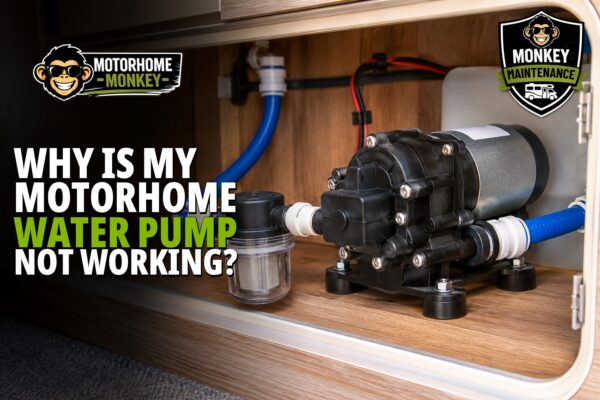
If your motorhome water pump is not working, the cause could be an electrical fault, air in the pipework, a blocked strainer or a leaking connection. Learn how to identify common pump problems, carry out safe checks and know when to call a technician.
If your motorhome water pump is not working, the problem could be something as simple as an empty fresh-water tank, a closed isolation valve or a blocked filter. It may also be an electrical fault, an air leak or a failed pump switch. The first step is to understand which type of system your motorhome uses, because pressure-switch pumps and microswitched systems operate differently.
This guide explains the common symptoms, the safe checks you can make yourself and when it is time to call a motorhome technician. It covers typical 12V freshwater systems, including pumps from manufacturers such as Whale and Shurflo. Always check the instructions for your particular pump and vehicle, as layouts and specifications vary.
First, understand which type of water pump system you have
Most motorhomes use one of two common arrangements. Identifying yours will make troubleshooting much easier.
Pressure-switch pump systems
A pressure-switch system usually has an automatic pump connected to the fresh-water tank. When you open a tap, pressure in the pipework falls. The pressure switch detects the drop and starts the pump. When you close the tap and pressure builds again, the switch turns the pump off.
Shurflo diaphragm pumps and Whale automatic pressure pumps are examples of this type of arrangement. The pump can usually run when any tap or outlet is opened, without a separate electrical switch in each tap.
Microswitched systems
In a microswitched system, opening a tap operates a small electrical switch built into the tap or fitted nearby. That switch completes the pump circuit and starts the pump. Closing the tap releases the switch and stops the pump.
Some Whale Watermaster installations use this arrangement, while other versions use an automatic pressure switch. A system may also have an external in-line pressure switch, so do not assume the pump type from the brand alone. Check the pump label, tap wiring and handbook if you are unsure.
Why the difference matters: if a microswitched pump does not start when one tap is opened, the fault may be at that tap’s switch or wiring. If a pressure-switch pump does not start, the fault may be its electrical supply, pressure switch or pump itself.
1. The water pump will not switch on
If you open a tap and hear nothing, start with the simple checks before assuming the pump has failed.
- Check the fresh-water tank. Make sure it contains water and that the pump’s supply valve, if fitted, is open.
- Check the pump master switch. Some motorhomes have a separate water-pump switch on the control panel. Make sure it has not been switched off.
- Check the leisure battery. A low battery or a disconnected 12V supply may prevent the pump from operating correctly.
- Check the fuse. If the pump fuse has blown, replace it only with the rating specified by the vehicle or pump manufacturer. If it blows again, stop and have the circuit investigated.
- Look for an obvious loose connection. With the pump switched off, look for a connector that has visibly come loose, corrosion or damaged wiring. Do not work on exposed live connections.
On a microswitched system, try the other taps. If the pump works from one tap but not another, that points towards the individual tap microswitch or its wiring rather than the pump motor. If no tap operates the pump, the common power supply, fuse, wiring or pump may be at fault.
On a pressure-switch system, the pump should normally start when pressure falls as a tap opens. A failed or incorrectly adjusted pressure switch can prevent this, but testing or replacing the switch may involve electrical work. Leave that to a suitably competent person if you are not confident with 12V systems.
2. The pump keeps running and will not switch off
A pressure-switch pump should stop once the taps are closed and the system reaches its cut-out pressure. If it continues running, it may be unable to build pressure or the switch may not be detecting the correct pressure.
Check for:
- A tap that has not been fully closed.
- A leaking tap, shower mixer, toilet valve or external shower connection.
- A leak from a pipe, push-fit connector or pump fitting.
- A drain valve or water-heater drain plug that has been left open after draining the system.
- An empty tank or an air leak on the pump inlet side, preventing the pump from priming.
- A faulty pressure switch, damaged pump diaphragm or debris affecting the pump valves.
Turn off the pump if it is running continuously without delivering water. Running a pump dry or allowing it to run for long periods can cause damage. If you cannot find an obvious open outlet or leak, arrange an inspection rather than repeatedly resetting or adjusting the pump.
Microswitched systems behave differently: the pump should stop when the tap switch opens the circuit as the tap is closed. If it continues running, the microswitch may be stuck, damaged or incorrectly wired. Switch off the pump at its master switch and seek help if the fault is not obvious.
3. Weak or intermittent water pressure
If the pump runs but the taps only produce a trickle, splutter or uneven flow, the problem may be a restriction, air entering the system, low voltage or a leak.
Try these checks:
- Check whether the problem affects every tap or just one. If only one outlet is affected, inspect its tap aerator or shower head for debris or limescale.
- Check the pump inlet strainer and any accessible water filters, following the manufacturer’s instructions.
- Look for kinked, crushed or trapped flexible pipework.
- Check that accessible isolation valves are fully open.
- Look for signs of water escaping from the pipework or fittings.
- Check the leisure battery condition and whether other 12V equipment is behaving unusually.
A pump may also cycle on and off rapidly when a tap is open only slightly. Some cycling can be normal at very low flow, but excessive rapid cycling can indicate a restriction, an unsuitable pump for the system or a pressure-switch or bypass setting issue. Do not alter adjustment screws unless the pump manual specifically explains the procedure for your model.
4. Airlocks and air entering the water system
Air in the pipework can cause taps to splutter, flow to pulse or the pump to struggle to prime. It is particularly common after the water system has been drained for winter, after a tank has been emptied or following maintenance.
Make sure the fresh-water tank contains enough water and that drain valves are closed. Switch on the pump and open the taps one at a time, allowing air and water to pass through until the flow becomes steady. Follow the motorhome and water-heater instructions, and do not allow the pump to run dry for an extended period.
If the pump continues to draw air, check the accessible inlet hose and connections between the tank and pump for loose fittings, damaged seals or cracks. An air leak on the suction side may not produce an obvious water leak, but it can stop the pump from priming properly.
If normal priming does not restore the flow, or you suspect a non-return valve or internal pump fault, have the system checked. Do not dismantle the pump unless the manufacturer identifies that work as user maintenance.
5. Blocked filters and strainers
Many diaphragm pumps have a small strainer fitted on the inlet side to catch debris before it reaches the pump. If it becomes blocked, the pump may become noisy, struggle to prime or deliver a weak flow.
If the strainer is accessible and the handbook describes it as user-serviceable, switch off the pump and its electrical supply before removing it. Close any relevant valves, place a cloth or container underneath to catch water, then clean the mesh and refit the lid and seal correctly. Check for leaks when the system is restarted.
Do not run the pump with the strainer removed. Whale specifies an inlet strainer for its Watermaster pump, and Shurflo documentation also recommends a strainer to protect the pump from debris. If the filter is damaged, replace it with the correct part for the model.
6. Faulty pressure switches and tap microswitches
The switch is what tells the pump when to run, but the type fitted depends on the water system.
Pressure-switch faults
A pressure switch may fail to start the pump when a tap is opened, or it may fail to stop the pump after the tap is closed. However, the same symptoms can be caused by leaks, air, low voltage or a blockage, so the switch should not automatically be blamed.
Microswitch faults
A tap microswitch can wear out, stick or develop a poor electrical connection. If one tap fails to start the pump but the others work normally, its microswitch is a likely place for a technician to investigate. If several taps fail together, look for a shared supply or wiring issue.
Switch testing, bypassing a switch and replacing electrical components should be left to someone competent to work on the vehicle’s 12V system. Bypassing a switch is a diagnostic procedure described in some manufacturer manuals, not a permanent repair or a safe owner check.
7. Electrical supply, fuses and connections
Most motorhome water pumps operate from the 12V leisure electrical system. A weak battery, poor earth, corroded connector, damaged cable or blown fuse can stop the pump or reduce its performance.
Owners can check that the pump switch is on, the leisure battery is charged and the correct fuse is fitted. If the fuse has blown, use only the specified replacement rating. A fuse that blows repeatedly is a warning of an underlying fault; never fit a larger fuse to try to keep the pump running.
Measuring voltage at the pump, checking current draw, tracing wiring faults or testing a pressure switch requires suitable equipment and knowledge. Ask a motorhome technician or auto electrician to investigate if the simple checks do not identify the problem.
8. Leaks and water escaping from the system
A leak can cause low pressure, repeated pump operation or a pump that never reaches its cut-out point. It can also cause hidden damage if water escapes into cupboards, floors or enclosed spaces.
With the pump switched off, look around the tank, pump, strainer, accessible pipe joints, taps, shower connections and drain points for dampness or water marks. Check that drain valves and water-heater drain points are closed when the system is in use.
If you find a leak, switch off the pump and isolate the water supply if your system allows it. Dry the area and monitor it. A loose accessible connection may be straightforward to identify, but do not force plastic fittings or dismantle pressurised components. Persistent leaks, cracked pipework, leaks behind fixed furniture or water reaching electrical equipment need professional attention.
A simple motorhome water pump troubleshooting checklist
Before arranging a repair, work through these basic checks:
- Is there water in the fresh-water tank?
- Is the water-pump master switch turned on?
- Is the leisure battery charged?
- Is the correct pump fuse intact?
- Are the drain valves and water-heater drain points closed?
- Does the fault affect every tap or just one?
- Is the pump strainer clean and correctly fitted?
- Are any accessible hoses kinked or visibly leaking?
- Has the system been primed after draining or refilling?
- Have you identified whether the system uses a pressure switch or tap microswitches?
When should you call a motorhome technician?
There are several checks owners can safely make, but a water pump is connected to both the vehicle’s electrical system and a pressurised water system. Professional help is sensible if:
- The fuse blows repeatedly or wiring becomes hot, smells burnt or shows signs of damage.
- The pump runs continuously and you cannot find an obvious open tap or leak.
- The pump will not prime after checking the tank, strainer and accessible connections.
- You suspect a failed pressure switch, microswitch, internal valve or pump diaphragm.
- There is a leak behind fixed panels, near electrical equipment or inside the floor or walls.
- The pump is noisy, overheating or showing signs of physical damage.
Use a motorhome workshop or technician familiar with leisure-vehicle water systems. If the fault involves the 12V wiring, use someone competent in vehicle electrical systems. Always use the pump manufacturer’s instructions and the vehicle handbook for model-specific checks and replacement parts.
Motorhome Monkey recommendation
When your water pump stops behaving properly, resist the temptation to replace it straight away. Check the water supply, pump switch, fuse, strainer and visible pipework first. These simple checks can help narrow down the cause without disturbing the installation.
Most importantly, identify whether your motorhome has a pressure-switch pump or a microswitched tap system. That one detail can save time when diagnosing the fault or explaining the symptoms to a technician.
Motorhome Monkey verdict
A motorhome water pump is easy to take for granted until the taps stop working. Fortunately, many problems have straightforward causes, such as an empty tank, a blocked strainer, air in the pipework or a simple electrical supply issue.
Work through the safe checks methodically, avoid running the pump dry and do not bypass electrical switches or attempt repairs beyond your experience. If the cause is not clear, a qualified motorhome technician can test the system and get your water supply working reliably again.