Motorhome Fridge Not Cooling? Common Causes and What to Check
If your motorhome fridge is not cooling properly, the cause may be airflow, power supply, settings or a component fault. Learn the safe checks to make on absorption and compressor fridges, and when to call a technician.
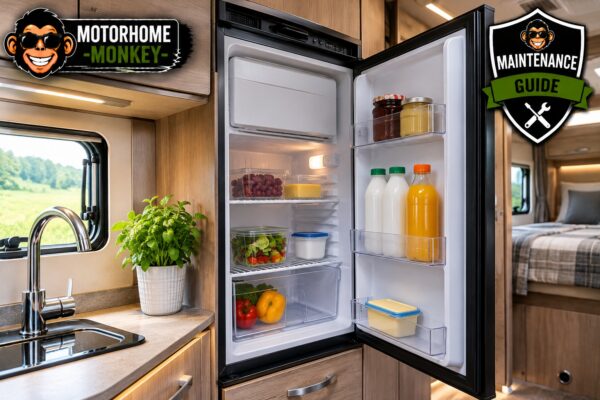
If your motorhome fridge is not cooling properly, the cause may be airflow, power supply, settings or a component fault. Learn the safe checks to make on absorption and compressor fridges, and when to call a technician.
If your motorhome fridge is not cooling, the first thing to establish is what type of fridge you have and which power source it is using. An absorption fridge can run on gas, 12V or 230V, while a compressor fridge uses an electrically driven compressor. The likely causes – and the checks that make sense – are different.
There are several straightforward things you can check yourself, including the thermostat setting, ventilation, door seal and available power. This guide explains where to start, how to recognise common symptoms and when a fault needs a qualified technician. Do not dismantle gas components or work on live electrical connections.
First, identify which type of motorhome fridge you have
Motorhomes commonly use one of two refrigeration systems. Check the appliance data plate or handbook if you are unsure; the model number is often on a label inside the fridge or around the cabinet.
Absorption fridges
An absorption fridge uses heat to drive its cooling process rather than a conventional motor-driven compressor. Depending on the model, it can operate on LPG, 230V mains electricity and 12V DC. Many are designed to use 12V while the vehicle engine is running, with gas or mains used when parked, but the exact operating arrangements vary.
Some models have automatic energy selection (often marked AES), which chooses an available power source. Others require you to select the source manually. A display showing a particular mode does not always mean that the fridge is successfully cooling on it.
Compressor fridges
A compressor fridge uses an electrically powered compressor to circulate refrigerant. Motorhome models commonly run from a 12V supply, and some can also accept 24V or mains power through a suitable arrangement. Unlike an absorption fridge, a typical compressor fridge does not use LPG as a cooling source.
Compressor fridges generally cool differently from absorption models and are less dependent on the vehicle being level, but they still need a reliable electrical supply and adequate ventilation. Check the handbook for the exact power requirements of your appliance.
Start with these simple checks
Before investigating individual power sources, work through a few basic checks. They can explain many cases of poor cooling without any repair being necessary.
- Check the thermostat. Make sure the temperature setting has not been turned down accidentally. If the fridge has numbered settings, consult the handbook to understand which direction increases cooling.
- Give it time. A fridge that has just been switched on may take several hours to reach its normal operating temperature. Avoid judging its performance immediately after loading it.
- Check the door closes properly. Look for food packaging preventing the door from shutting, and inspect the seal for visible dirt, damage or distortion.
- Do not overload it. Packing in a large amount of warm food at once makes it harder to bring the contents down to temperature. Let food cool before putting it inside, and leave space for air to circulate.
- Look for excessive ice. Heavy frost on an evaporator or cooling plate can reduce performance. Defrost according to the manufacturer’s instructions; do not chip ice away with a knife or sharp tool.
- Consider the ambient temperature. Very hot weather and a hot motorhome interior can affect performance, particularly if the fridge’s ventilation is restricted.
Check the fridge ventilation
Restricted airflow is a common reason for an absorption fridge to cool poorly. The cooling unit needs to release heat through the ventilation arrangement designed into the motorhome. If that heat cannot escape, the fridge may struggle even though it appears to be running normally.
Look at the external ventilation grilles, usually positioned on the side wall behind the fridge. From outside, check that they are not blocked by leaves, dirt, stored items or other obvious obstructions. Also make sure any removable winter covers have been taken off when they are not required.
Do not remove internal panels, alter flues or change the ventilation arrangement. These are part of the appliance installation and should be inspected by a suitably qualified motorhome technician. Compressor fridges also need the airflow specified by their manufacturer, particularly around the compressor and condenser.
Absorption fridge not cooling on gas
If the fridge cools on mains electricity but not on gas, the problem is likely to be associated with the gas operating system rather than the whole cooling unit. There are a few safe checks you can make without touching the appliance’s gas components.
- Check whether the LPG cylinder contains gas and that the supply has not run out.
- Check that the cylinder valve and the user-accessible appliance shut-off valve are in the correct position, following the motorhome and fridge instructions.
- Check the fridge display for a fault light or error code. Record the code and look it up in the handbook for your exact model.
- If the fridge has automatic energy selection, check which source the display says it is using.
If the burner will not ignite, repeatedly goes out, produces an unusual smell or the appliance reports a gas fault, stop trying to operate it on gas and arrange a check by a Gas Safe registered engineer qualified for LPG leisure accommodation vehicles. Never remove the burner cover, clean a jet, adjust the flame or attempt a gas repair yourself.
Absorption fridge not cooling on 12V
On many three-way absorption fridges, 12V operation is intended for use while travelling, with the engine running. It is not necessarily designed to run the fridge from the leisure battery for long periods when the motorhome is parked.
If it is not cooling while driving, check the following:
- Confirm that the engine is running and the fridge is set to the correct 12V or automatic mode.
- Check the dashboard or fridge display for a warning or error code.
- Look in the handbook to see whether the model requires an engine-running or D+ signal to enable 12V operation. This signal tells the appliance that the engine is running.
- If the fridge has stopped working on 12V but works on gas or mains, tell the technician which modes still operate.
A blown fuse, poor supply, missing D+ signal or failed 12V heating element can prevent an absorption fridge from operating on this source. Do not bypass a fuse, fit a higher-rated fuse or investigate wiring behind the fridge. Electrical diagnosis and component replacement should be left to a technician.
Absorption fridge not cooling on 230V mains
If the fridge works on gas but not when connected to a campsite hook-up, start with the external supply rather than assuming the fridge has failed.
- Check that the motorhome is properly connected to the campsite mains supply and that the site’s supply is available.
- Check the motorhome’s consumer unit for an obvious tripped breaker. Only reset it in accordance with the vehicle instructions; if it trips again, leave it off and seek professional help.
- Check the fridge display to see whether it recognises 230V or has switched to another energy source.
- Consult the manual for any voltage-related warning or error code.
Some automatic absorption fridges will switch away from mains if the incoming voltage is outside the range they can accept. A failed heating element, fuse or electrical supply can also cause the 230V mode to stop working.
Do not remove covers or test mains terminals yourself. If the supply is present but the fridge will not operate on 230V, arrange an inspection by a qualified technician.
Compressor fridge not cooling
With a compressor fridge, the first checks are usually the 12V supply, ventilation and the appliance’s own fault indications. A compressor may fail to start if the battery voltage is too low or the appliance’s electronic protection has shut it down.
Safe checks include:
- Check the leisure battery state of charge using the motorhome’s normal battery monitor.
- Check whether other 12V equipment is behaving normally. If several items are affected, the issue may be with the wider 12V system.
- Make sure the fridge’s ventilation openings are clear and that the motorhome interior is not excessively hot.
- Check the door seal, thermostat setting and amount of ice on the evaporator.
- Look for a flashing light, display message or fault code and consult the exact model’s manual.
Some compressor models have a start delay after being switched on, while others stop or reduce operation when they become too hot or the supply voltage falls below their operating threshold. Do not assume that every model uses the same delay, voltage limits or error codes.
If the compressor repeatedly starts and stops, will not start despite a healthy supply, or runs continuously without cooling, arrange a service inspection. Do not open the electrical compartment or attempt to handle refrigerant pipework.
What do the warning lights and fault codes mean?
Modern fridges can display fault codes that point towards a particular power source, sensor or component. The meaning is specific to the manufacturer and model, so avoid relying on a generic list found online.
For example, Thetford’s support information for some N3000 and N4000 absorption models identifies separate codes for gas operation faults, 12V and 230V heating elements, supply voltage, the D+ signal and the temperature sensor. The T1000 compressor range has a different troubleshooting table, including low battery voltage, overheating, blocked ventilation and door-seal issues.
Write down the code exactly as shown, note which power source was selected and check the manufacturer’s guidance for your fridge model. A code is a diagnostic clue, not an invitation to dismantle the appliance.
When should you call a motorhome fridge technician?
There is a useful limit to home troubleshooting. You can check settings, visible ventilation openings, the door seal, the available power source and the display. Anything involving gas components, live electrical parts or sealed refrigeration components needs the appropriate expertise.
Arrange professional attention if:
- The fridge reports a gas, heating element, sensor or electrical fault.
- The gas burner will not ignite, repeatedly goes out or produces an unusual smell.
- A fuse or circuit breaker trips repeatedly.
- The fridge does not cool on any available power source after the recommended start-up period.
- A compressor repeatedly cuts out, runs continuously without cooling or makes an unusual noise.
- You can see damaged wiring, signs of overheating, scorching or damage around the appliance.
- The fault returns after the basic checks have been completed.
For gas work, use a Gas Safe registered engineer whose registration covers LPG work on leisure accommodation vehicles. For electrical or refrigeration faults, use a motorhome fridge specialist or an appropriately qualified service centre.
How to help your motorhome fridge cool properly
A few simple habits can help the fridge work more effectively and make faults less likely to catch you out on tour.
- Switch the fridge on in good time before loading it, following the manufacturer’s recommended start-up procedure.
- Use the correct operating mode for the power source available and the way your fridge is designed to work.
- Keep external ventilation grilles clear and use winter covers only when the manufacturer recommends them.
- Allow hot food to cool before putting it in the fridge, and avoid packing it tightly.
- Check the door closes properly and keep the seal clean.
- Defrost when required, following the handbook rather than scraping ice away.
- Know where to find the model number and keep the manual or manufacturer’s support page handy.
Final thoughts
When a motorhome fridge stops cooling, it is tempting to assume that the appliance itself has failed. In practice, the cause may be as simple as a thermostat setting, blocked ventilation, a door that is not sealing properly or an unavailable power source.
Start by identifying whether you have an absorption or compressor fridge, then check the mode and power source it is using. Work through the safe external checks and use the fault code and model-specific handbook to narrow things down.
Leave gas repairs, live electrical work and sealed cooling-system repairs to qualified professionals. A careful diagnosis is better than risking damage to the fridge – or your safety – by trying to fix something that needs specialist attention.